


型番:9427085 - net
BORO IJ
$43.00


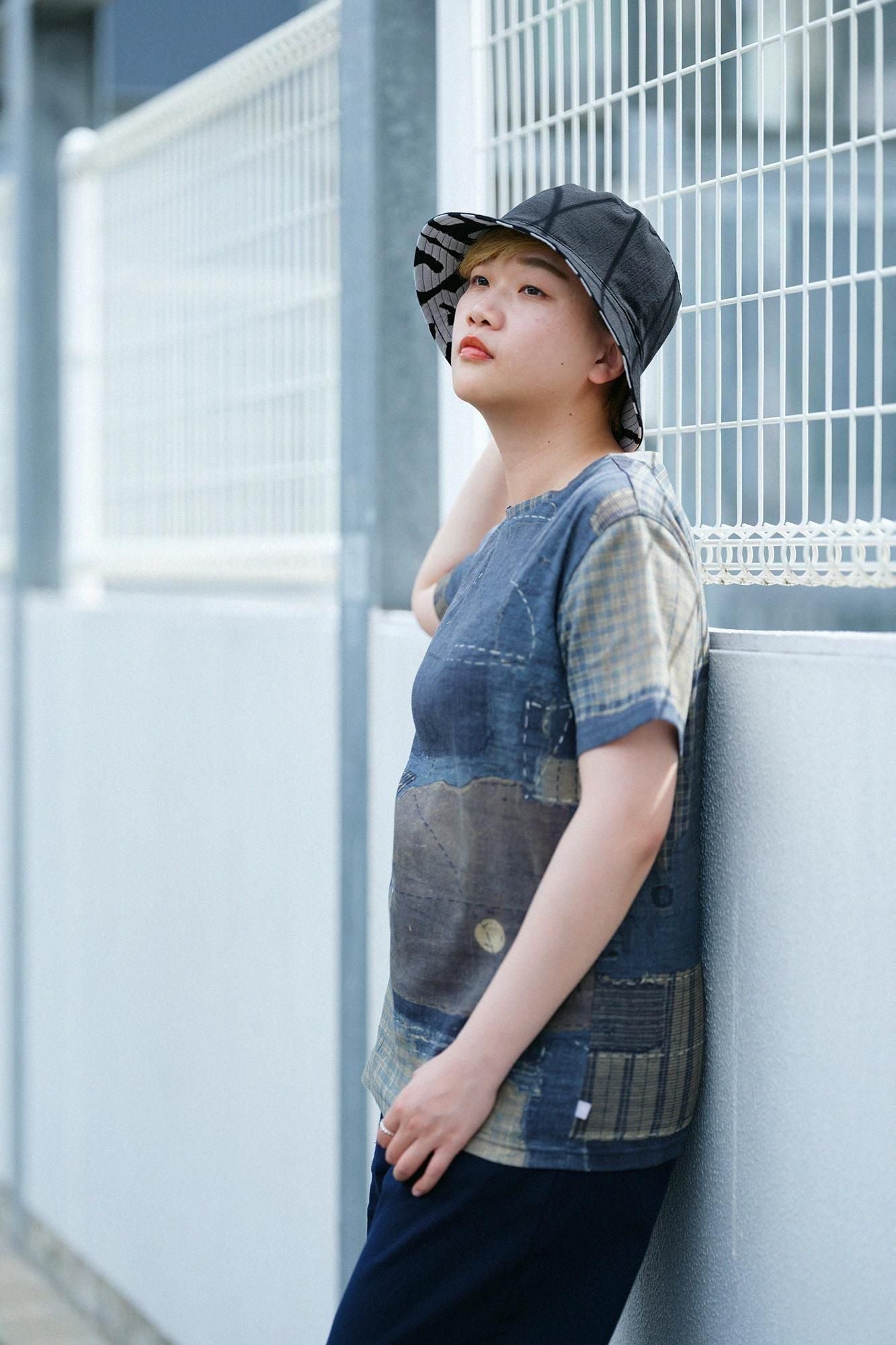
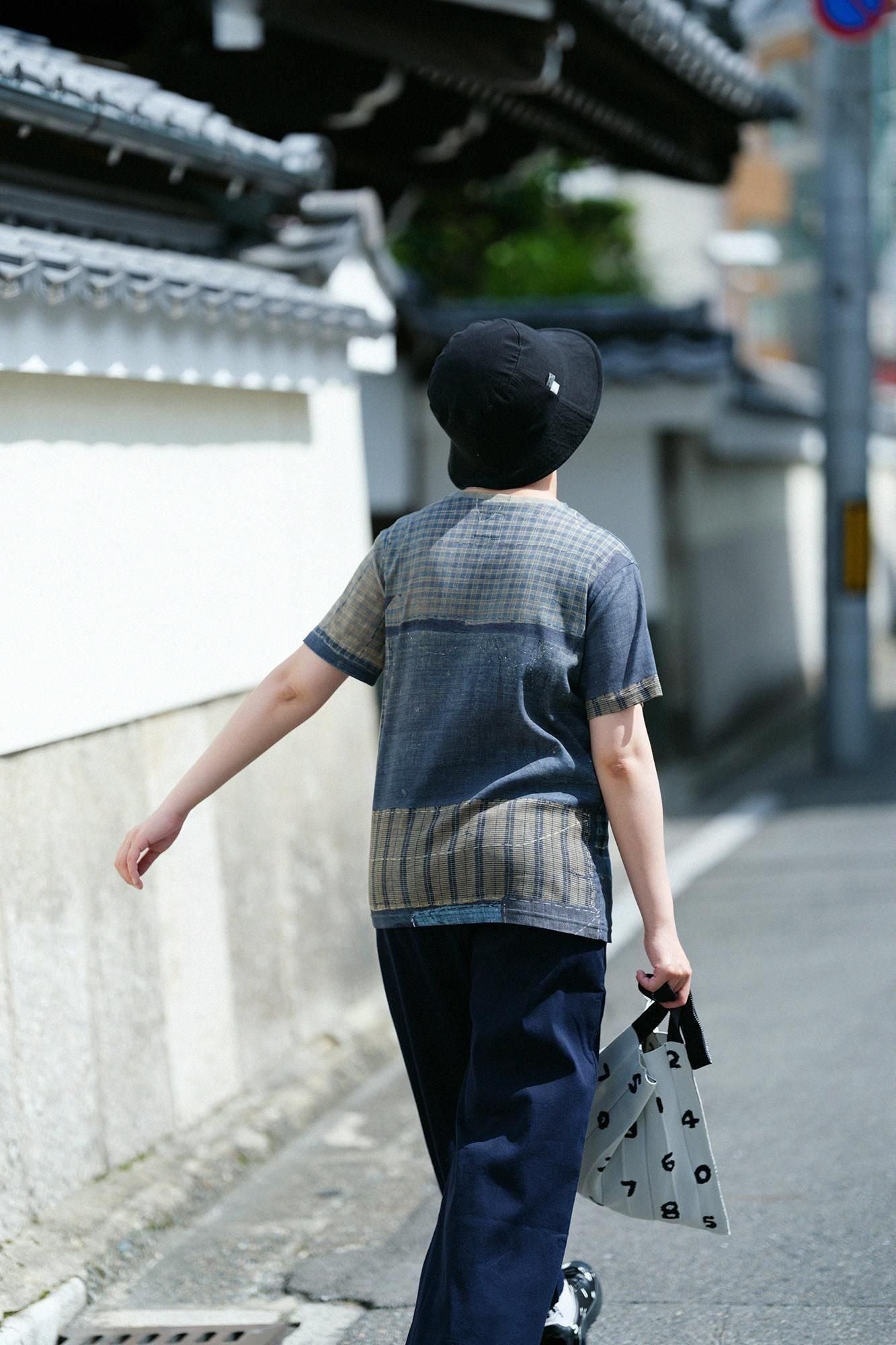


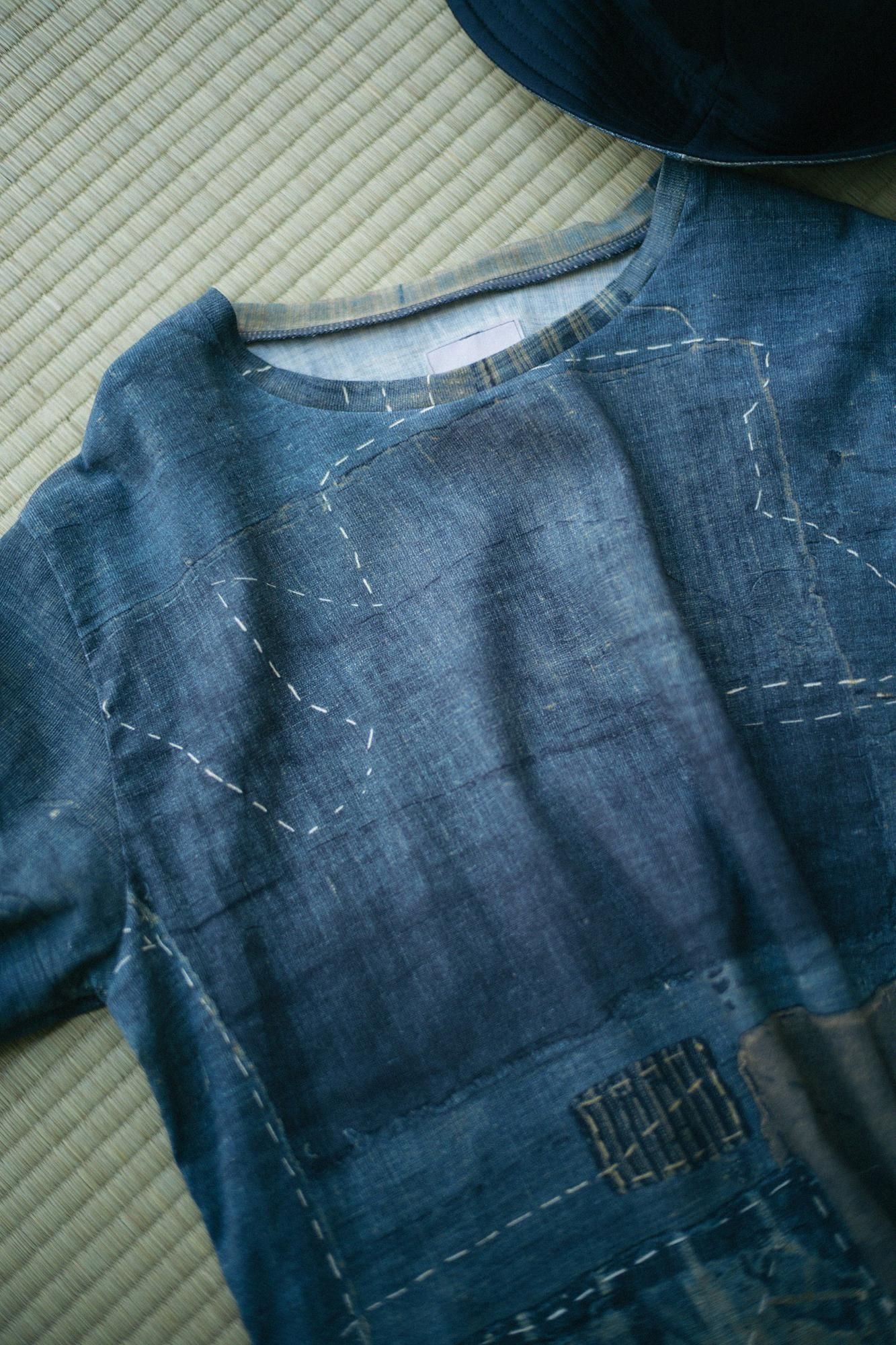
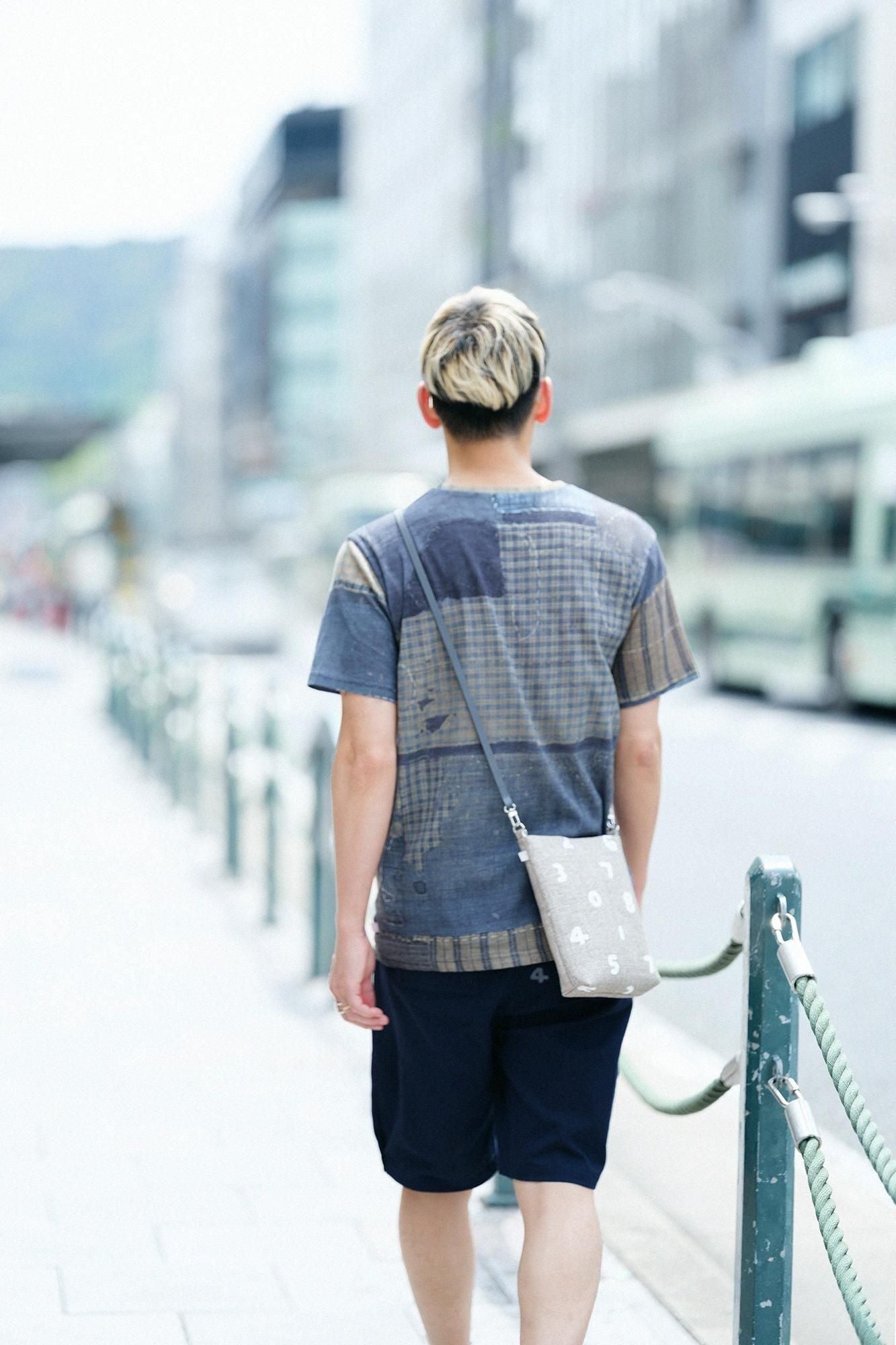


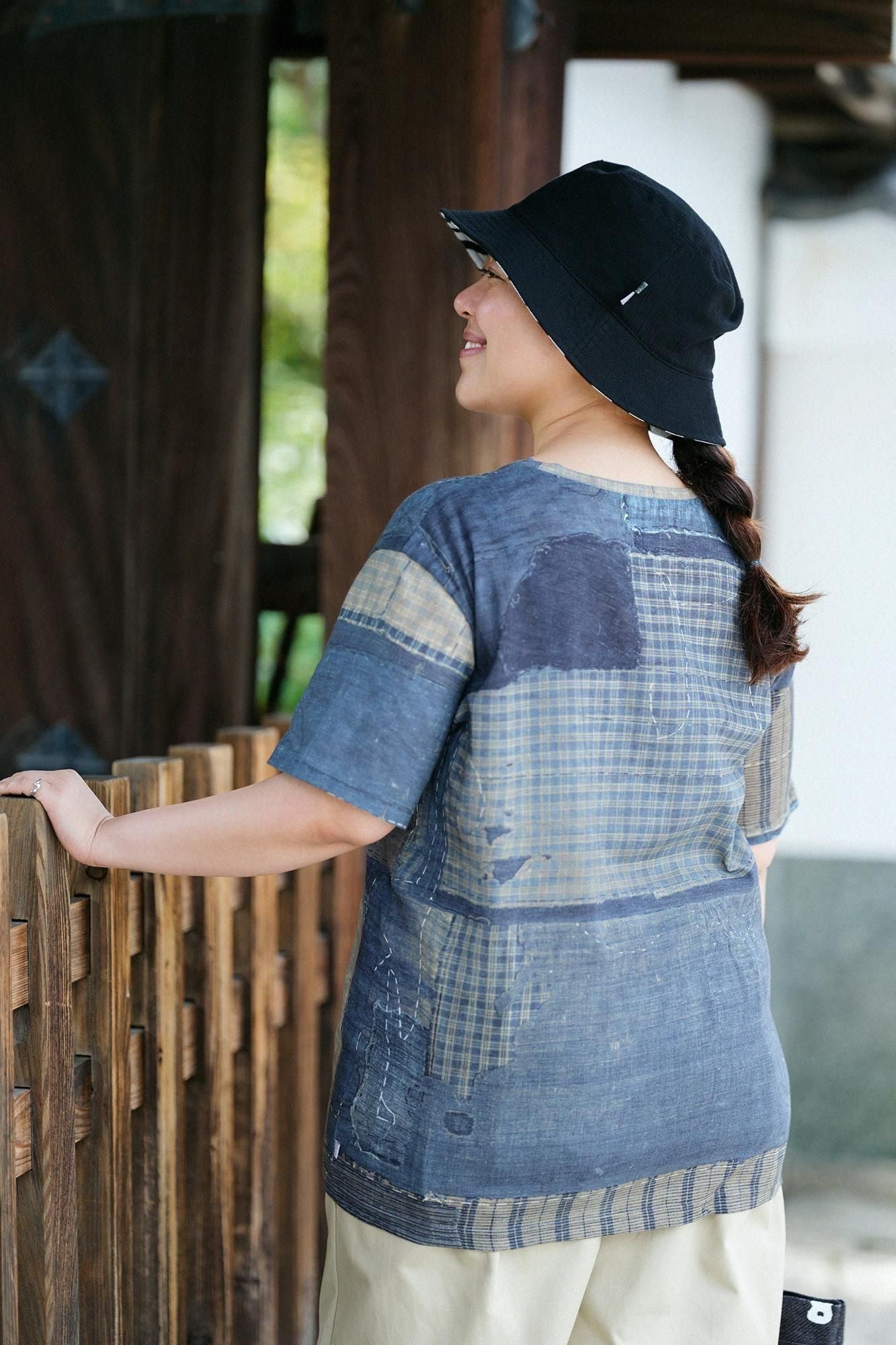
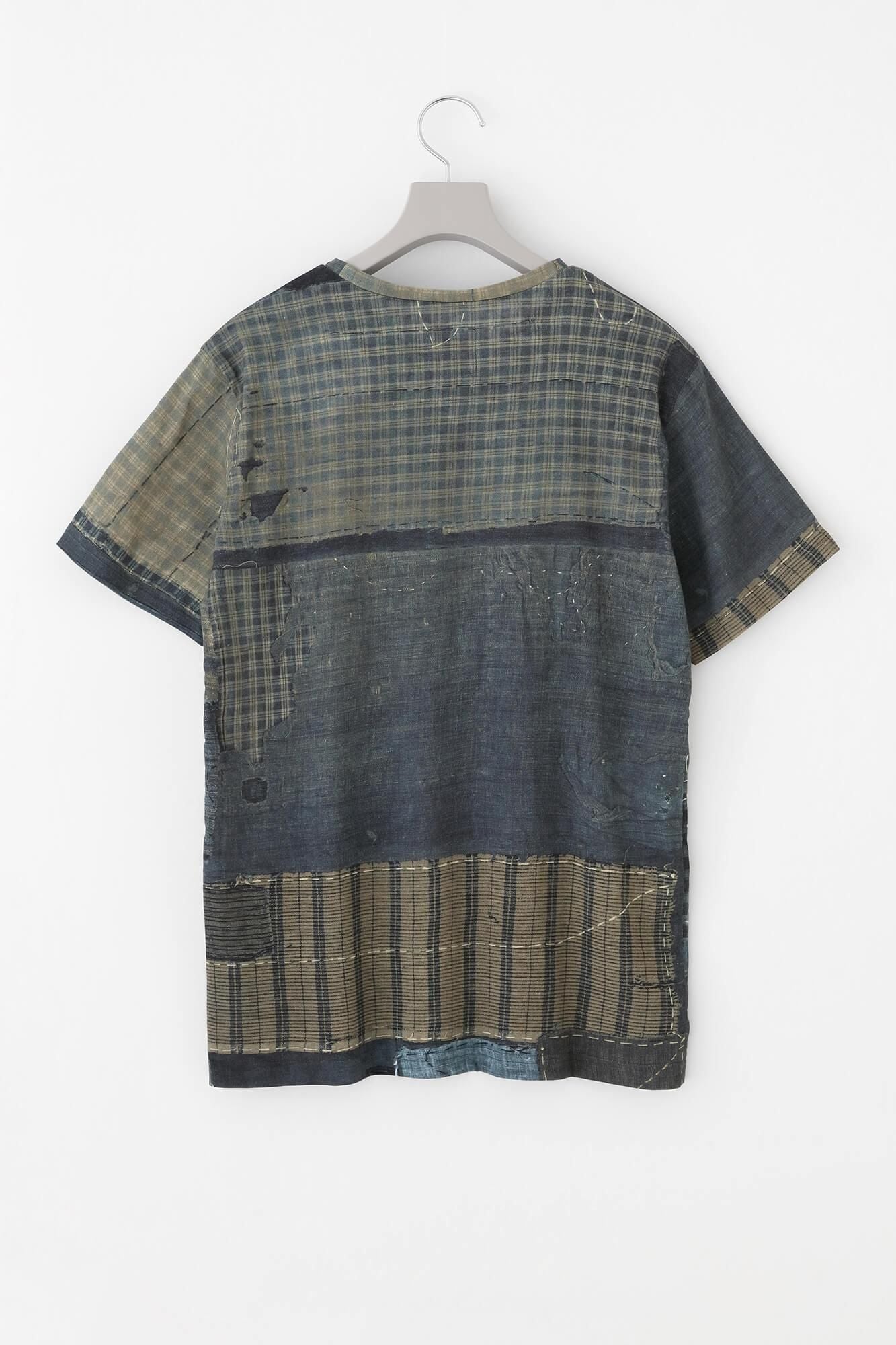

Chizimi Cotton 40/40 Short-Sleeve T-Shirt/BORO IJ


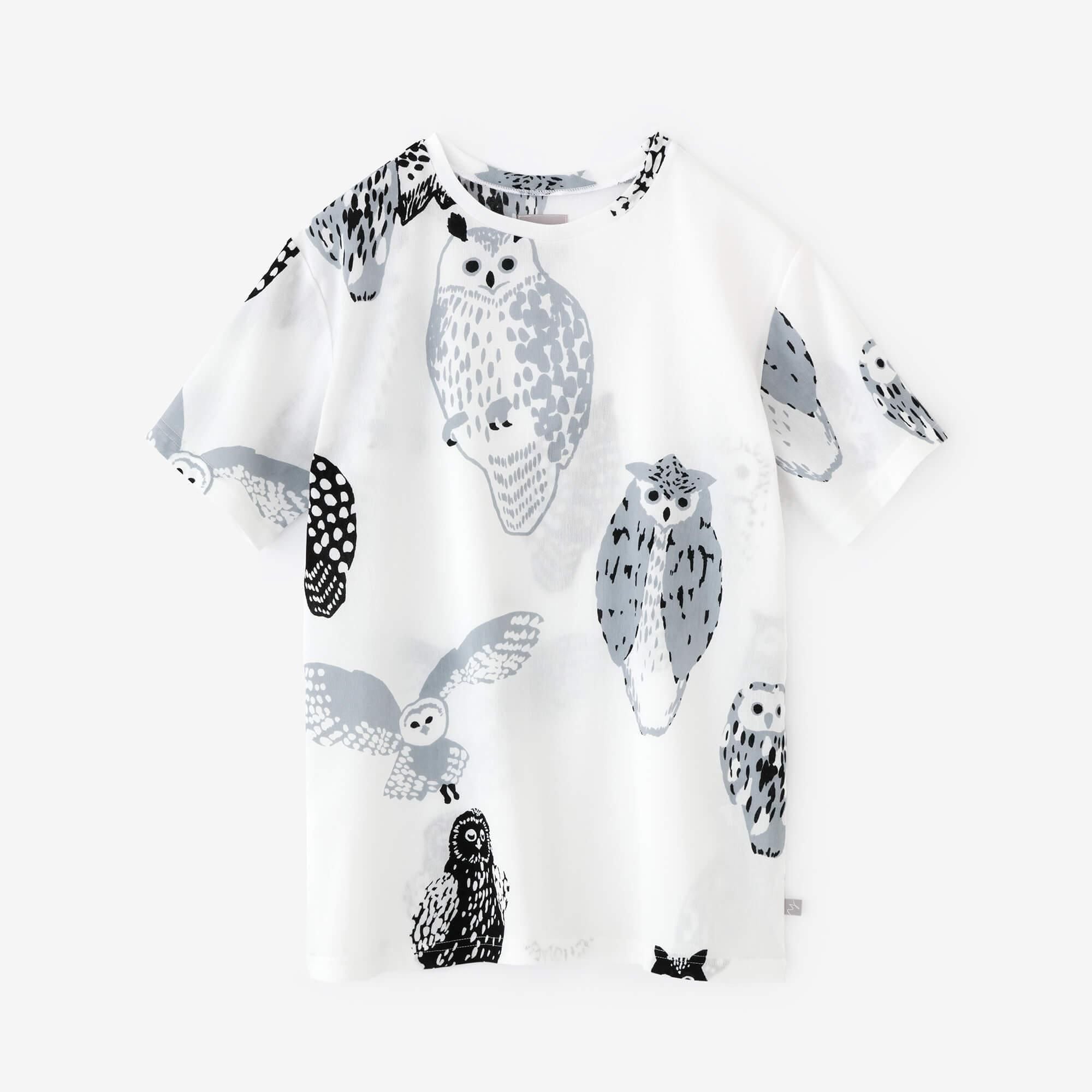

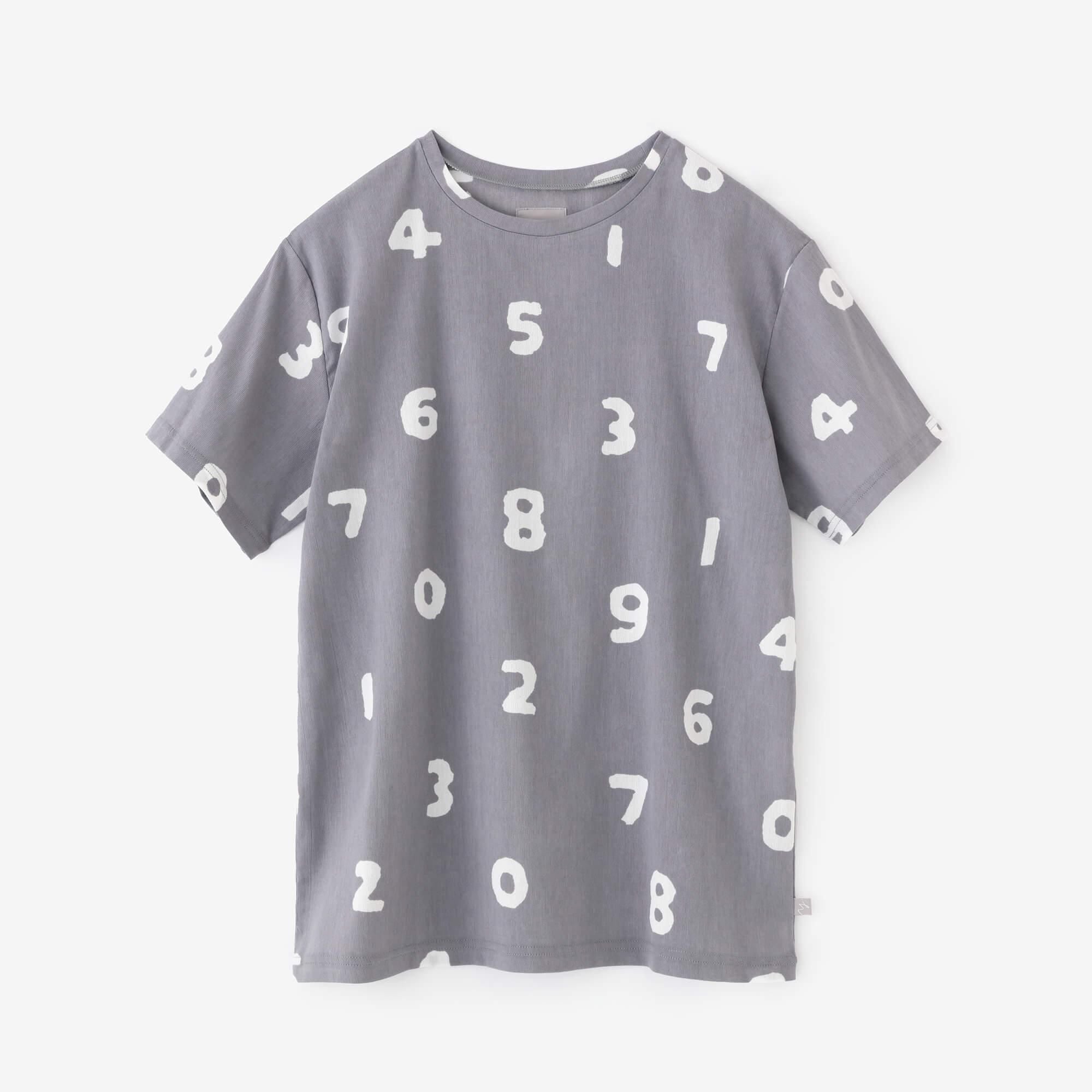


Size / Option
XS
$43.00
※Remaining::9
S
$43.00
M
$43.00
L
$43.00
XL(2L)
$43.00
Quantity
Delivery Date
Approximately 2~3 days from the date of order
※Shipping Location: Kansai
※Shipping Location: Kansai
Overseas Shipping
Available
Return
返品可(国内外)
We accept returns within one week of receiving the product if it is unused. ※Only for Taiwan, Hong Kong, and the United States: Returns can be made to the local return office
>Click here for details
>Click here for details
About retail shops
SOU・SOU Yousou.、SOU・SOU Yousou. AOYAMASHOP
※Please contact stores for stock availability.
>SOU・SOU Store Info
※Please contact stores for stock availability.
>SOU・SOU Store Info
About Images
The product color in the images varies depending on the shooting environment.
Please check the image of the product for the actual color.
Please check the image of the product for the actual color.
This item is a unisex item.
※Please check the measurements before order.
What is “BORO”?
The story dates back to more than 100 years ago, when fabric was a valuable commodity in the Meiji Era.
The kimonos, work kimono, underwear, and even bedding used by common people were used until they were worn out, then patched up again for reuse...
Clothes that have been made through this process repeatedly over decades, or even hundreds of years, are called BORO.
Today, the value and appeal of BORO as art are recognized around the world.
・This fabric is a reproduction of rags (BORO) through dyeing. (It is not patched)
・Using Chizimi Cotton 40/40 embossed fabric made by Sakao Orimono.
"40/40" means a fabric woven with 40 count yarns in the warp and 40 count yarns in the weft.
About the texture of fabric: around the thickness of a light shirt.
(The higher the count number, the finer the yarn and the thinner the woven fabric is.)
・Hand-printed with Kyoto Stencil Yuzen dyeing.
※Pattern placement will vary from piece to piece due to the manufacturing process. Customers cannot specify the print.
※Due to the nature of Kyoto Stencil Yuzen (hand-printing), slight misalignment of the pattern may occur, which is a characteristic of the dyeing process.
※Due to the nature of dyeing process, uneven dyeing and color fading may occur.
※Products with the same color name may vary slightly in color due to different materials.
※The rib around the neck is made of Chizimi Cotton embossed fabric.
As it is not a knit material, please avoid pulling it forcefully.
If the neckline stretches, it will return to its original shape after washing.
【About Inkjet Dyeing】
A distinctive feature of inkjet dyeing is that there is almost no limit to the colors that can be reproduced, expanding the range of design expression.The pre-treatment process uses specially blended materials developed by a Kyoto Stencil Yuzen dyeing factory.
【About Chizimi Cotton】
・A cotton crepe fabric produced in Takashima City, Shiga Prefecture since the Edo period, using strongly twisted yarn in the weft to create a textured surface and crisp feel.
・The crepe texture reduces the area that touches the skin, allowing sweat to be absorbed in points and dispersed across the surface, with a perceived cooling effect of approximately -2°C.
・Excellent performances in Sweat absorbing · Quick drying · Air permeability · Hygroscopicity · Moisture release.
・Takashima chizimi cotton, which has benefited from the natural resources of Lake Biwa, boasts the highest production in Japan.
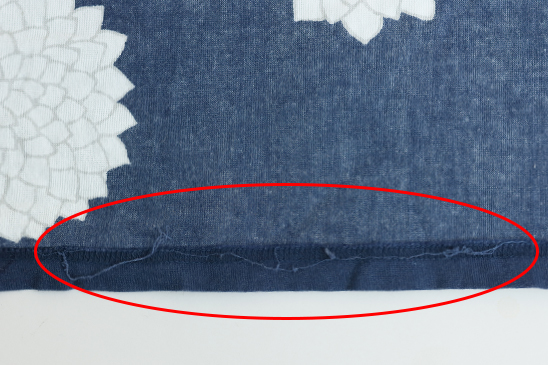 Due to the embossing process (which creates a textured surface), frayed threads may twist and become noticeable.
Loose threads can be trimmed without affecting use.
※Please check the measurements before order.
What is “BORO”?
The story dates back to more than 100 years ago, when fabric was a valuable commodity in the Meiji Era.
The kimonos, work kimono, underwear, and even bedding used by common people were used until they were worn out, then patched up again for reuse...
Clothes that have been made through this process repeatedly over decades, or even hundreds of years, are called BORO.
Today, the value and appeal of BORO as art are recognized around the world.
・This fabric is a reproduction of rags (BORO) through dyeing. (It is not patched)
・Using Chizimi Cotton 40/40 embossed fabric made by Sakao Orimono.
"40/40" means a fabric woven with 40 count yarns in the warp and 40 count yarns in the weft.
About the texture of fabric: around the thickness of a light shirt.
(The higher the count number, the finer the yarn and the thinner the woven fabric is.)
・Hand-printed with Kyoto Stencil Yuzen dyeing.
※Pattern placement will vary from piece to piece due to the manufacturing process. Customers cannot specify the print.
※Due to the nature of Kyoto Stencil Yuzen (hand-printing), slight misalignment of the pattern may occur, which is a characteristic of the dyeing process.
※Due to the nature of dyeing process, uneven dyeing and color fading may occur.
※Products with the same color name may vary slightly in color due to different materials.
※The rib around the neck is made of Chizimi Cotton embossed fabric.
As it is not a knit material, please avoid pulling it forcefully.
If the neckline stretches, it will return to its original shape after washing.
【About Inkjet Dyeing】
A distinctive feature of inkjet dyeing is that there is almost no limit to the colors that can be reproduced, expanding the range of design expression.
【About Chizimi Cotton】
・A cotton crepe fabric produced in Takashima City, Shiga Prefecture since the Edo period, using strongly twisted yarn in the weft to create a textured surface and crisp feel.
・The crepe texture reduces the area that touches the skin, allowing sweat to be absorbed in points and dispersed across the surface, with a perceived cooling effect of approximately -2°C.
・Excellent performances in Sweat absorbing · Quick drying · Air permeability · Hygroscopicity · Moisture release.
・Takashima chizimi cotton, which has benefited from the natural resources of Lake Biwa, boasts the highest production in Japan.
Due to the embossing process (which creates a textured surface), frayed threads may twist and become noticeable.Loose threads can be trimmed without affecting use.
●Dimensions
XS (Length: 62 Shoulder: 38 Chest girth: 90 Hem Girth: 90 Sleeve length: 18cm)
S (Length: 65 Shoulder: 40 Chest girth: 96 Hem Girth: 96 Sleeve length: 19cm)
M (Length: 68 Shoulder: 42 Chest girth: 100 Hem Girth: 100 Sleeve length: 20cm)
※Slight variations may occur depending on the material.
※This product is made with press embossed fabric.
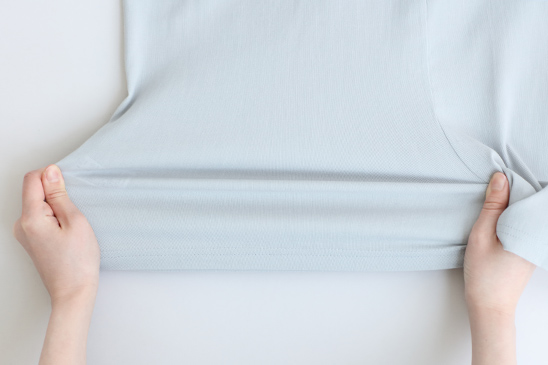
After washing, the garment will shrink horizontally due to the nature of the fabric. The original dimensions can be resumed by pulling on sideways before hanging it to dry.
●Materials
Cotton 100%【Chizimi Cotton (40/40)】
●Dye
Kyobi Senshoku
●Manufacture
RaiseLab Co., Ltd
●Made in Kyoto
XS (Length: 62 Shoulder: 38 Chest girth: 90 Hem Girth: 90 Sleeve length: 18cm)
S (Length: 65 Shoulder: 40 Chest girth: 96 Hem Girth: 96 Sleeve length: 19cm)
M (Length: 68 Shoulder: 42 Chest girth: 100 Hem Girth: 100 Sleeve length: 20cm)
※Slight variations may occur depending on the material.
※This product is made with press embossed fabric.
After washing, the garment will shrink horizontally due to the nature of the fabric. The original dimensions can be resumed by pulling on sideways before hanging it to dry.
●Materials
Cotton 100%【Chizimi Cotton (40/40)】
●Dye
Kyobi Senshoku
●Manufacture
RaiseLab Co., Ltd
●Made in Kyoto
・Please refrain from using an iron to make the best use of the crepe material.
・Please put in the laundry net and wash by machine.
・Dry promptly to avoid color migration.
・Do not wash with white or light color clothes.
・Color may transfer during use or due to friction.
・Please avoid hand washing and soak washing as they may lead to color transfer.
・Due to the nature of the fabric, it has a certain degree of elasticity. Please adjust the garment to its original shape immediately after washing without stretching the sewn part excessively.
・Do not tumble dry.
・Please put in the laundry net and wash by machine.
・Dry promptly to avoid color migration.
・Do not wash with white or light color clothes.
・Color may transfer during use or due to friction.
・Please avoid hand washing and soak washing as they may lead to color transfer.
・Due to the nature of the fabric, it has a certain degree of elasticity. Please adjust the garment to its original shape immediately after washing without stretching the sewn part excessively.
・Do not tumble dry.


