


型番:5140097
Chizimi Cotton 20/20 Ainasen R...
$104.00


Chizimi Cotton 20/20 Ainasen Rectangular Dress / Fan


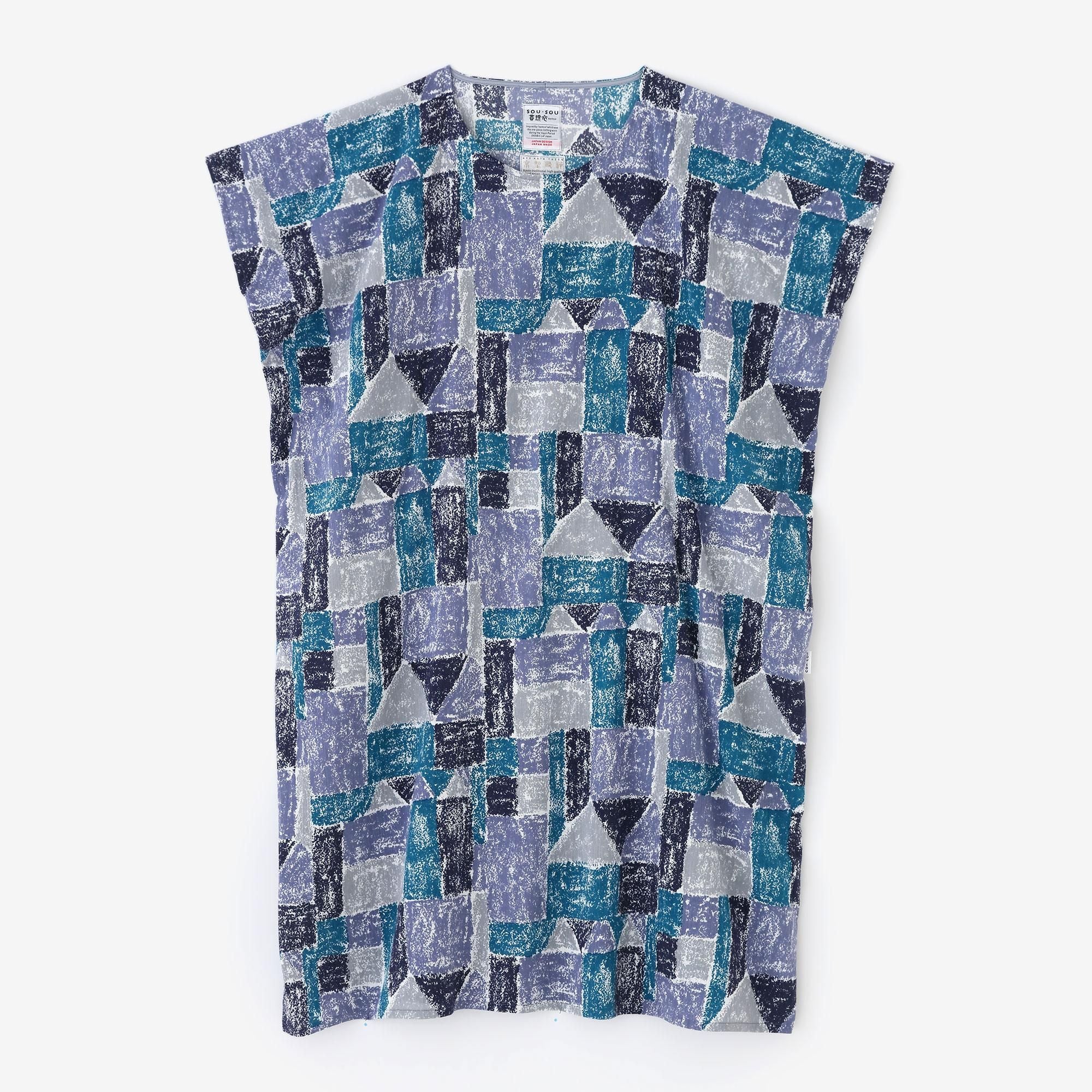


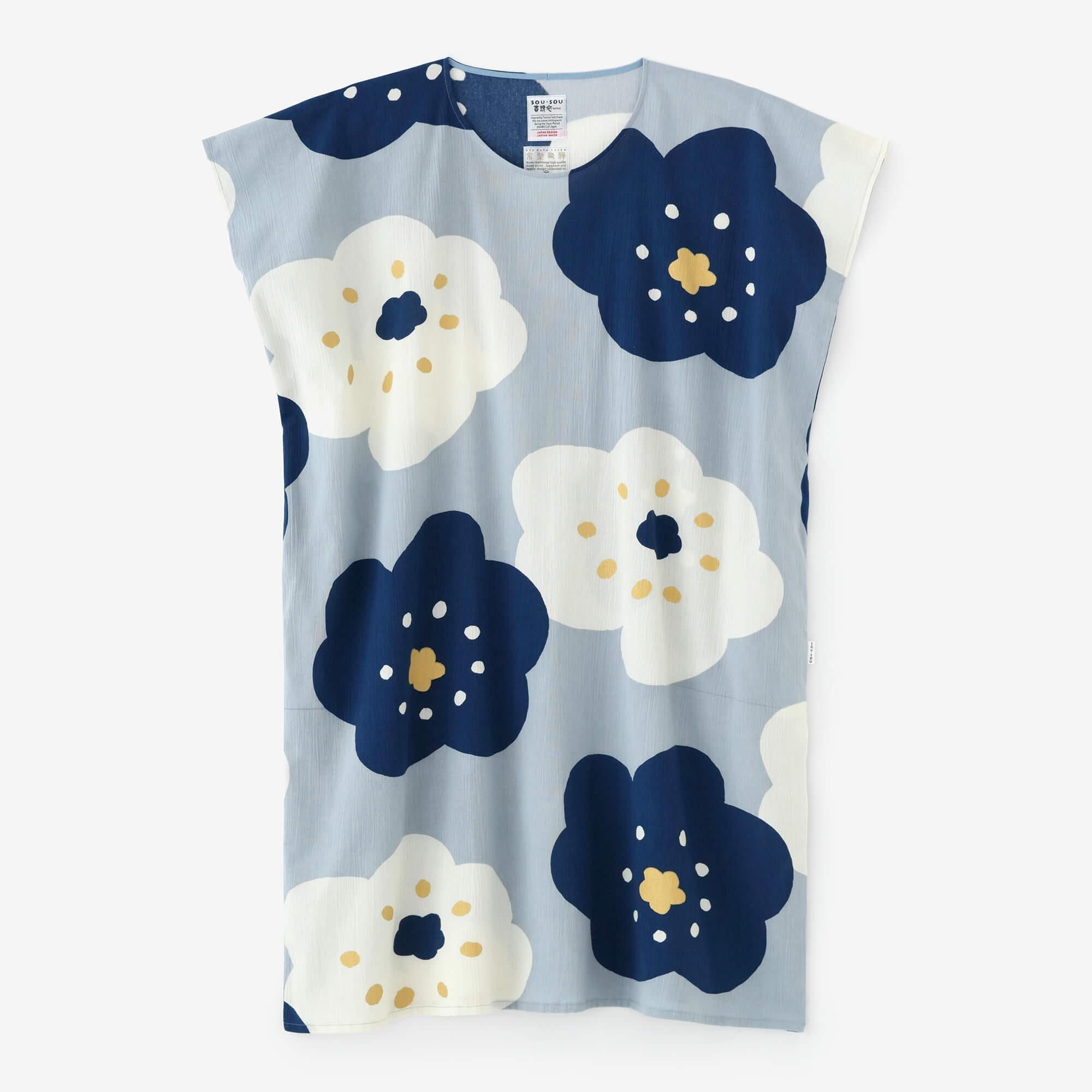


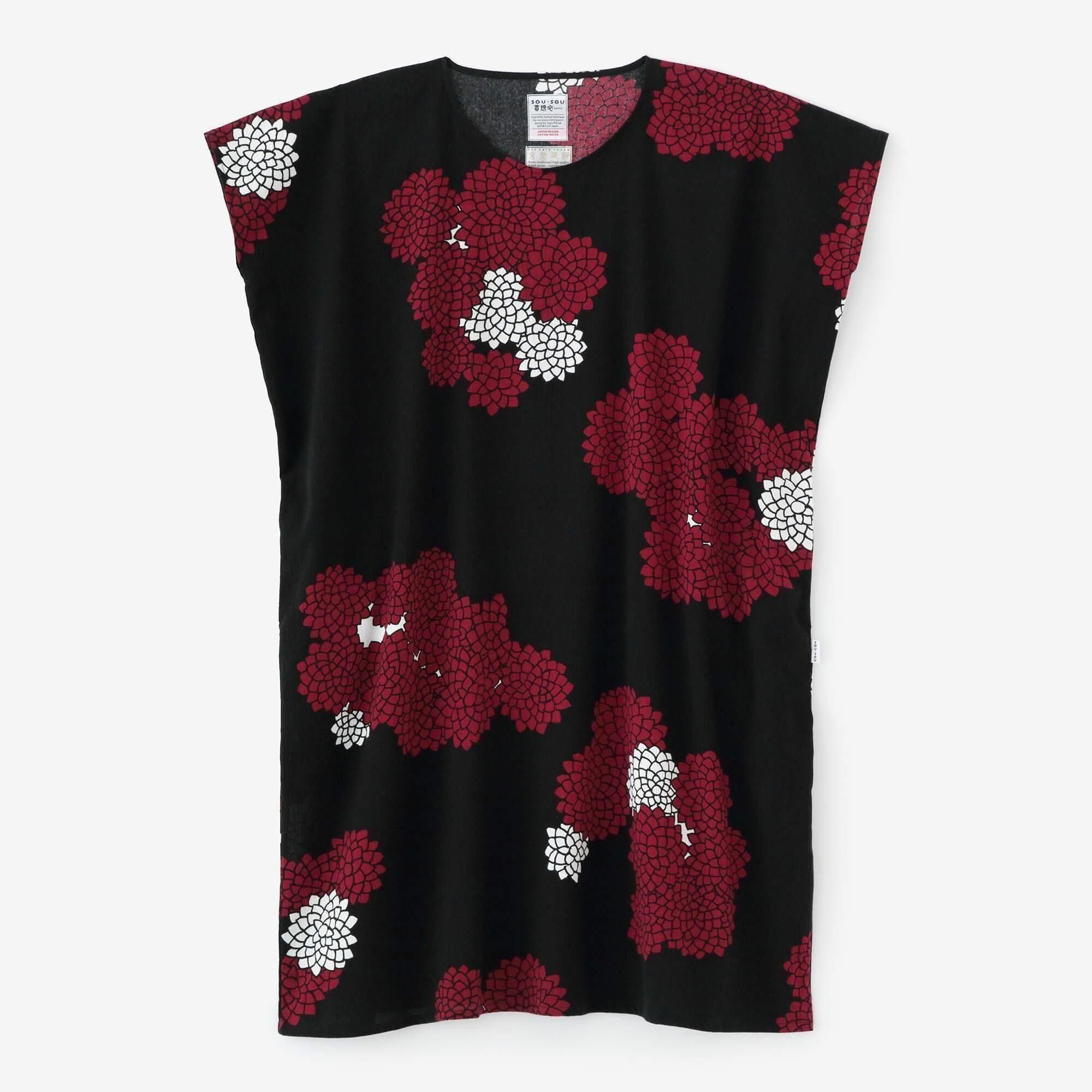


Size / Option
Women F
$104.00
※Remaining::9
Women F Long
$104.00
Quantity
Delivery Date
Approximately 2~3 days from the date of order
※Shipping Location: Kansai
※Shipping Location: Kansai
Overseas Shipping
Available
Return
返品可(国内外)
We accept returns within one week of receiving the product if it is unused. ※Only for Taiwan, Hong Kong, and the United States: Returns can be made to the local return office
>Click here for details
>Click here for details
About retail shops
SOU・SOU Kikoromo, SOU・SOU KYOTO Aoyama Shop
※Please contact the store directly for stock availability.
>SOU・SOUStore Info
※Please contact the store directly for stock availability.
>SOU・SOUStore Info
About Images
The product color in the images varies depending on the shooting environment.
Please check the image of the product for the actual color.
Please check the image of the product for the actual color.
What is "Kyoto Ainasen"?
Japanese has been familiar with wearing indigo since the Edo period. In the early Meiji era, it was also called Japan Blue, and the indigo color became a representative color of Japan. Contrary to soak dye which is regarded as the mainstream, "Ainasen", which uses natural indigo as a raw material and is printed by hand, is the world's first dyeing technique developed by Fujitasenen. Please enjoy the taste of indigo and the natural discoloration.
What is "Rectangular Dress" ...
As the name implies, it is a rectangular-shaped clothing. The design is based on "Kantoui (a clothing that opens a hole in the center of the fabric to let the head pass through)" in the Yayoi period.
・Using Chizimi Cotton 20/20 Circulor washing processed fabric made by Sakao Orimono.
"20/20" means a fabric woven with 20 count threads for the warp and 20 count threads for the weft.
About the texture: It is about the thickness of a shirt fabric that can be worn all year round.
(The higher the count number, the finer the yarn and the thinner the woven fabric is.)
・It is the first Kyoto Stencil Yuzen Dyeing that applies Ainasen technique in the dyeing industry.
・Uses natural India indigo dye.
・With two side pockets.
※Pattern placement will vary from piece to piece due to the manufacturing process. Customers cannot specify the print.
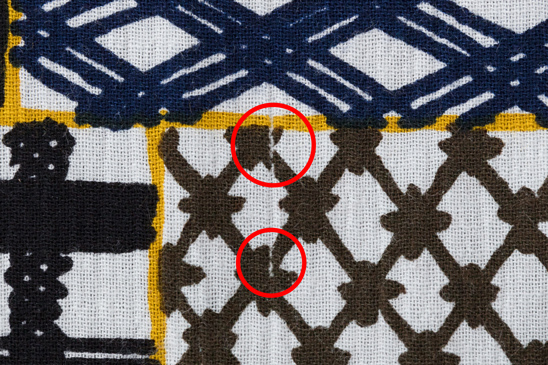
Since it is a Kyoto Stencil Yuzen Dyeing (Hand-printed) product, there may be some deviation in shape, but it is a feature of dyeing.※Due to the nature of the dyeing process, uneven color or fading may occur.
※At first, there may be a unique smell of dye, but it does not affect the human body. The smell will disappear after a while.
※Products with the same color name may vary slightly in color due to different materials.
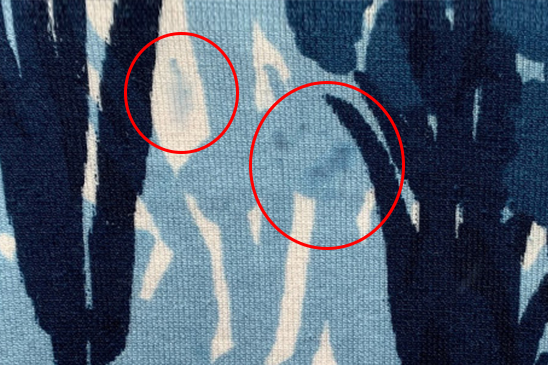
【Natural Indigo Characteristics and Care Instructions】
Natural indigo dyeing fixes color through repeated oxidation and alkalization processes; however, slight amounts of incompletely oxidized components may remain.
These components create the unique depth and soft tones of natural indigo; however, when worn in hot and humid conditions, color transfer or brown/yellow stains may occur.
【About Chizimi Cotton】
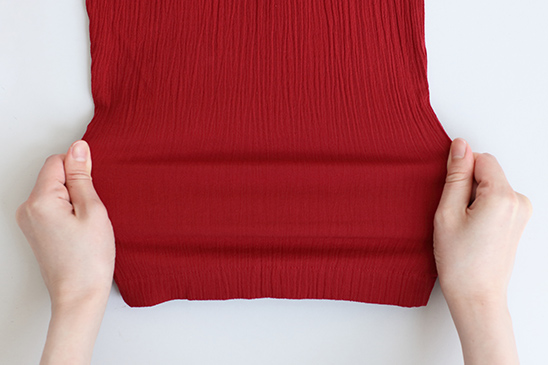
・Produced in Takashima City, Shiga Prefecture, with a long history dating back to the Edo period. Strongly twisted weft yarn creates a distinctive crepe texture that feels cool and breathable.
・Because the textured surface reduces contact with the skin and allows moisture to evaporate easily, it is said to lower the perceived temperature by about 2°C.
・Excellent sweat absorption, quick-drying, breathability, moisture absorption, and moisture release properties.
・Takashima chizimi cotton, which has benefited from the natural resources of Lake Biwa, boasts the highest production in Japan.
※Chizimi Cotton 20/20 Circulor washing fabric may have a slightly different shrinkage ratio depending on the color/pattern due to the dyeing process.
【About Dyeing of Chizimi Cotton】
Japanese has been familiar with wearing indigo since the Edo period. In the early Meiji era, it was also called Japan Blue, and the indigo color became a representative color of Japan. Contrary to soak dye which is regarded as the mainstream, "Ainasen", which uses natural indigo as a raw material and is printed by hand, is the world's first dyeing technique developed by Fujitasenen. Please enjoy the taste of indigo and the natural discoloration.
What is "Rectangular Dress" ...
As the name implies, it is a rectangular-shaped clothing. The design is based on "Kantoui (a clothing that opens a hole in the center of the fabric to let the head pass through)" in the Yayoi period.
・Using Chizimi Cotton 20/20 Circulor washing processed fabric made by Sakao Orimono.
"20/20" means a fabric woven with 20 count threads for the warp and 20 count threads for the weft.
About the texture: It is about the thickness of a shirt fabric that can be worn all year round.
(The higher the count number, the finer the yarn and the thinner the woven fabric is.)
・It is the first Kyoto Stencil Yuzen Dyeing that applies Ainasen technique in the dyeing industry.
・Uses natural India indigo dye.
・With two side pockets.
※Pattern placement will vary from piece to piece due to the manufacturing process. Customers cannot specify the print.
Since it is a Kyoto Stencil Yuzen Dyeing (Hand-printed) product, there may be some deviation in shape, but it is a feature of dyeing.※Due to the nature of the dyeing process, uneven color or fading may occur.
※At first, there may be a unique smell of dye, but it does not affect the human body. The smell will disappear after a while.
※Products with the same color name may vary slightly in color due to different materials.
【Natural Indigo Characteristics and Care Instructions】
Natural indigo dyeing fixes color through repeated oxidation and alkalization processes; however, slight amounts of incompletely oxidized components may remain.
These components create the unique depth and soft tones of natural indigo; however, when worn in hot and humid conditions, color transfer or brown/yellow stains may occur.
【About Chizimi Cotton】
・Produced in Takashima City, Shiga Prefecture, with a long history dating back to the Edo period. Strongly twisted weft yarn creates a distinctive crepe texture that feels cool and breathable.
・Because the textured surface reduces contact with the skin and allows moisture to evaporate easily, it is said to lower the perceived temperature by about 2°C.
・Excellent sweat absorption, quick-drying, breathability, moisture absorption, and moisture release properties.
・Takashima chizimi cotton, which has benefited from the natural resources of Lake Biwa, boasts the highest production in Japan.
※Chizimi Cotton 20/20 Circulor washing fabric may have a slightly different shrinkage ratio depending on the color/pattern due to the dyeing process.
【About Dyeing of Chizimi Cotton】
●Dimensions
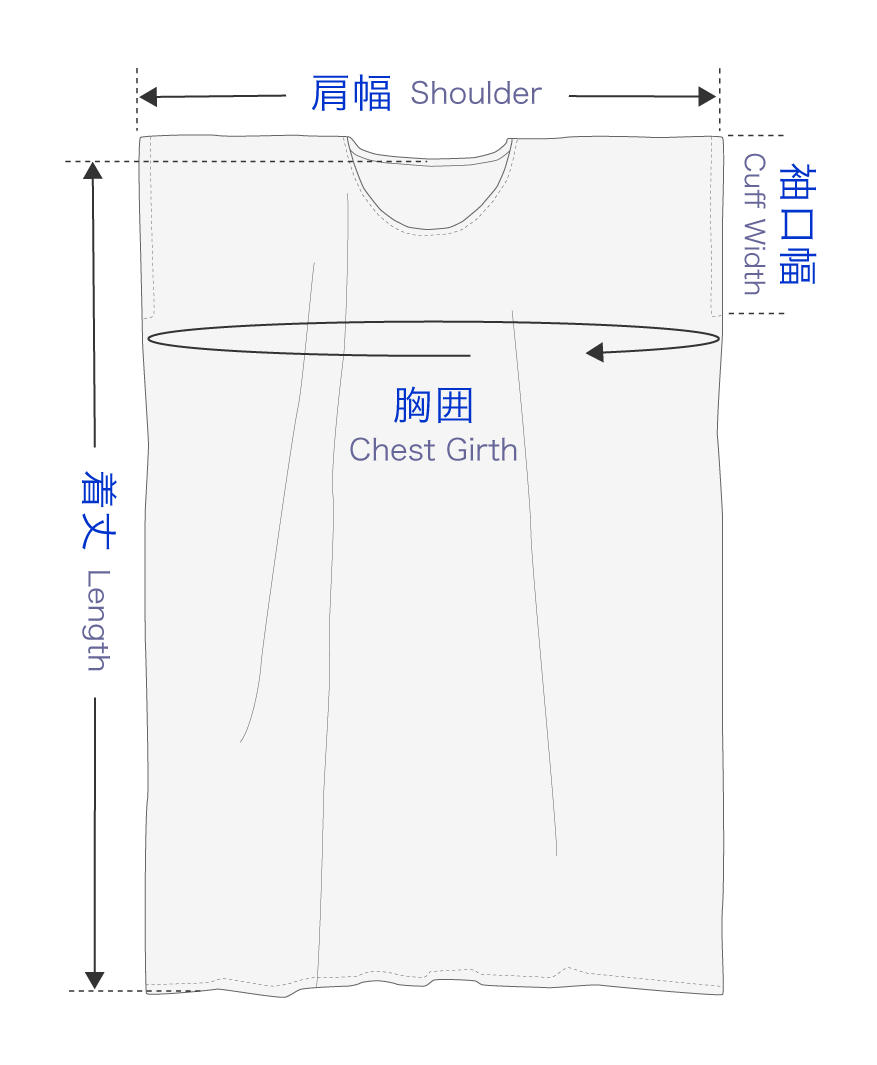
Women F (Length:100 Shoulder:74 Chest girth:148 Hem Girth:148 Cuff Width:17.5cm)
Women F Long (Length:110 Shoulder:74 Chest girth:148 Hem Girth:148 Cuff Width:17.5cm)
※Slight variations may occur depending on the material.
 ●Materials
Cotton 100%【Chizimi Cotton (20/20)】
●Dye
Fujitasenen (Ltd.)
●Manufacture
Kuriyama Sewing Co., Ltd.
●Made in Japan
Women F (Length:100 Shoulder:74 Chest girth:148 Hem Girth:148 Cuff Width:17.5cm)
Women F Long (Length:110 Shoulder:74 Chest girth:148 Hem Girth:148 Cuff Width:17.5cm)
※Slight variations may occur depending on the material.
Cotton 100%【Chizimi Cotton (20/20)】
●Dye
Fujitasenen (Ltd.)
●Manufacture
Kuriyama Sewing Co., Ltd.
●Made in Japan
・Please wash separately at the beginning.
・Please put it in a laundry net and wash by machine.
・Do not hand-wash. As the dehydration is weak, and the dye may start to dissolve in the water causing migration or bleeding.
・Please do not soak before wash to avoid color migration.
・To avoid the risk of dye migration, please use a neutral detergent and hang dry in the shade immediately after washing.
・As there may be color transfer, please wash it separately from white or light-colored items.
・It is crepe-like fabric, please refrain from using the iron.
・Color may transfer during use or due to friction.
・Due to the nature of the fabric, it has a certain degree of elasticity. Please adjust the garment to its original shape immediately after washing without stretching the sewn part excessively.
・Do not tumble dry
・Please put it in a laundry net and wash by machine.
・Do not hand-wash. As the dehydration is weak, and the dye may start to dissolve in the water causing migration or bleeding.
・Please do not soak before wash to avoid color migration.
・To avoid the risk of dye migration, please use a neutral detergent and hang dry in the shade immediately after washing.
・As there may be color transfer, please wash it separately from white or light-colored items.
・It is crepe-like fabric, please refrain from using the iron.
・Color may transfer during use or due to friction.
・Due to the nature of the fabric, it has a certain degree of elasticity. Please adjust the garment to its original shape immediately after washing without stretching the sewn part excessively.
・Do not tumble dry


